
figured glass
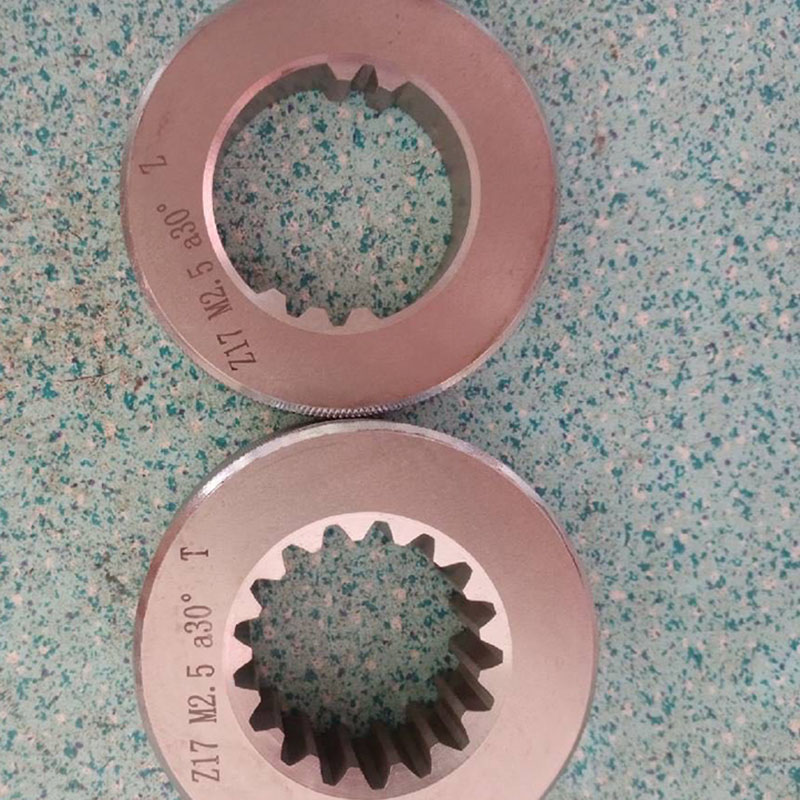
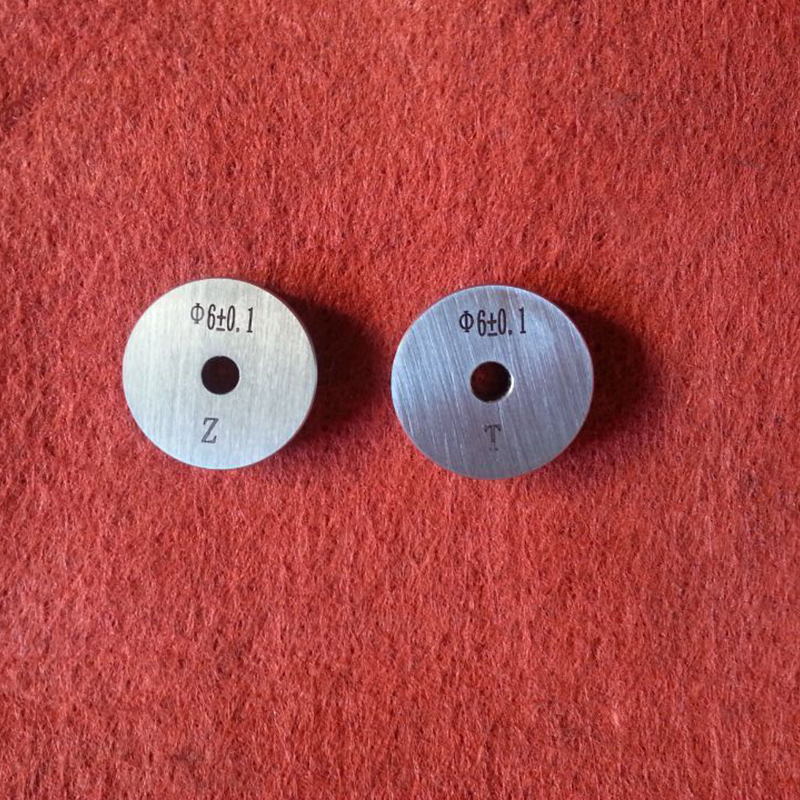
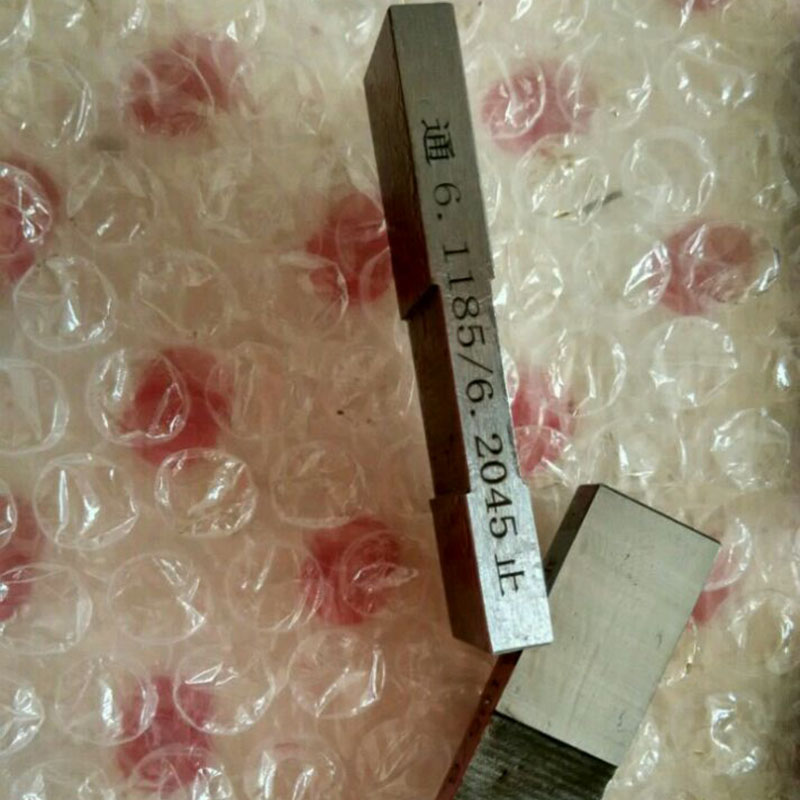
As a leading wholesale supplier in the precision measurement industry, Storaen (Cangzhou) International Trading Co. understands the critical role that Spline Gauge s play in ensuring manufacturing accuracy. Whether you're inspecting spline shafts for automotive, aerospace, or heavy machinery applications, adhering to Spline Gauge Standard s is non-negotiable. In this comprehensive guide, we’ll explore the importance of Spline Gauge Design , the advantages of using these tools, and how they streamline quality control in high-volume production. Understanding Spline Gauge Design for Optimal Performance The foundation of an effective Spline Gauge lies in its Spline Gauge Design . A well-engineered gauge ensures precise measurement of spline shaft dimensions, including outer diameter, slot width, and slot depth. The Spline Ring Gauge, for instance, is a specialized tool used to verify these parameters quickly and accurately. There are two primary types of ring gauges: stop gauges and through gauges. Stop gauges determine the maximum allowable dimensions of a spline shaft, ensuring it does not exceed specified tolerances. Through gauges, on the other hand, confirm whether a spline shaft can pass through, verifying its fit within acceptable limits. Advantages of Using Spline Ring Gauges: Advantage Description High Accuracy Ensures minimal tolerances, reducing defects and improving product quality. Efficiency in Inspection Provides immediate results, speeding up the quality control process. Measurement Consistency Standardizes production, reducing variability from manual measurements. Reliable Quality Assurance Quickly identifies deviations, allowing for prompt corrective actions. By integrating these gauges into your workflow, manufacturers can enhance precision while maintaining efficiency—a crucial factor for industries where tight tolerances are mandatory. Why Spline Gauge Standard Compliance Matters Adhering to Spline Gauge Standard s is essential for maintaining uniformity across manufacturing processes. These standards ensure that every Spline Gauge meets industry-specific requirements, guaranteeing compatibility and interchangeability of parts. For wholesale buyers, sourcing gauges that comply with recognized Spline Gauge Standard s means fewer production delays and higher customer satisfaction. Storaen (Cangzhou) International Trading Co. provides gauges that align with global specifications, ensuring seamless integration into your quality control systems. Key Applications of Spline Gauge s in Industrial Sectors Spline Gauge s are indispensable in industries where precision is critical. Some of the most common applications include: Automotive Manufacturing: Ensuring gear shafts and transmission components meet exact specifications. Aerospace Engineering: Verifying the integrity of high-stress spline connections. Heavy Machinery: Maintaining the durability and performance of large-scale mechanical systems. By investing in high-quality Spline Gauge s , manufacturers can avoid costly reworks and ensure long-term reliability in their products. Choosing the Right Spline Gauge for Your Needs Selecting the appropriate Spline Gauge depends on several factors, including the type of spline shaft, required tolerances, and industry standards. Storaen (Cangzhou) International Trading Co. offers a wide range of gauges designed for various applications, ensuring you find the perfect fit for your manufacturing needs. FAQ S a bout Spline Gauge What is the primary function of a spline ring gauge in spline gauge applications? The Spline Ring Gauge serves as a precision inspection tool that verifies critical spline shaft dimensions—including outer diameter, slot width, and depth—against Spline Gauge Standard s . By assessing whether components meet exact tolerances, it ensures proper fit and function in mechanical assemblies. This essential Spline Gauge Design element guarantees manufacturing consistency while preventing costly errors in high-precision industries. How do stop gauges and through gauges differ in spline gauge applications? Stop gauges verify the maximum permissible dimensions of a spline shaft under Spline Gauge Standard s , preventing oversizing. Through gauges test if the shaft fits within the minimum required clearance, ensuring proper assembly. Both types follow strict Spline Gauge Design principles to maintain measurement accuracy in manufacturing quality control processes. Why is spline gauge standard compliance important? Compliance with Spline Gauge Standard s ensures consistency, reliability, and interchangeability of parts across different manufacturers. It reduces errors and enhances quality control in high-precision industries. Which industries benefit most from spline gauge s? Industries such as automotive, aerospace, and heavy machinery rely heavily on Spline Gauge s to maintain precision in gear and shaft manufacturing, where even minor deviations can lead to significant performance issues. How does spline gauge design impact measurement accuracy? A well-optimized Spline Gauge Design ensures tight tolerances and repeatable measurements, minimizing human error and improving overall production efficiency. Proper design also extends the tool’s lifespan, providing long-term cost savings. In today’s competitive manufacturing landscape, maintaining exacting standards is non-negotiable. By integrating properly designed Spline Gauge s into your quality control process, you ensure every component meets rigorous specifications. Storaen (Cangzhou) International Trading Co. provides industry-leading inspection tools that align with global Spline Gauge Standard s , giving you the confidence that your products will perform flawlessly. Whether verifying shaft dimensions or confirming assembly tolerances, the right Spline Gauge Design makes all the difference in efficiency and reliability. Don't leave precision to chance - equip your operation with gauges that deliver consistent, trustworthy results every time.
about
figured glass
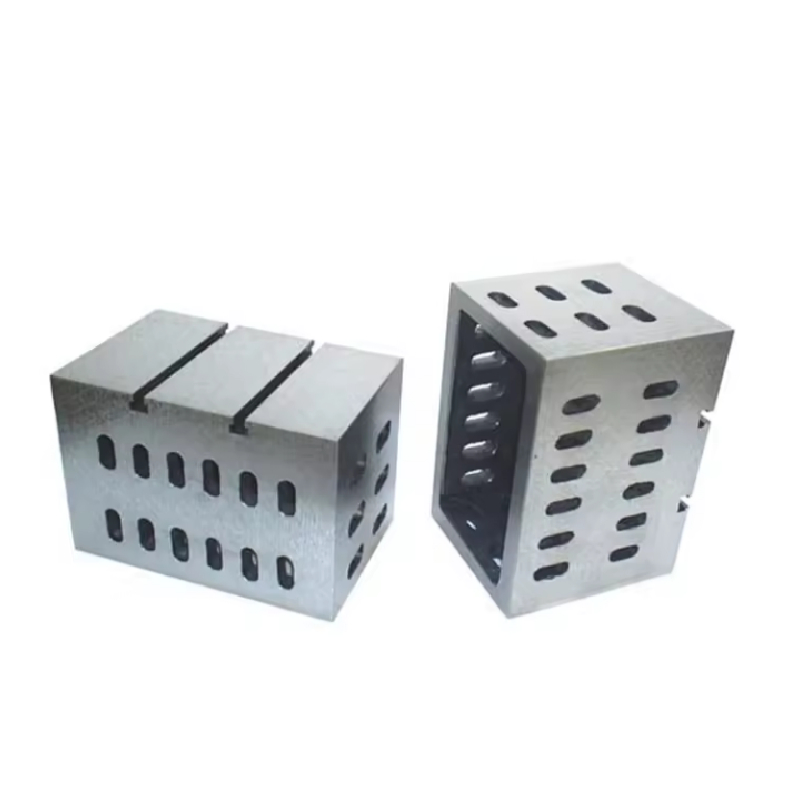
The Advantages of Modular Welding Tables In the world of fabrication and welding, efficiency and precision are paramount. One of the essential tools in achieving these goals is the modular welding table. These innovative surfaces are designed to enhance the welding process, offering flexibility and adaptability that traditional tables cannot match. This article explores the advantages of modular welding tables and why they are becoming increasingly popular in various industrial applications. Flexibility and Customization One of the standout features of modular welding tables is their inherent flexibility. Unlike traditional fixed tables, modular tables can be easily adjusted and configured to suit a wide range of projects. This adaptability is particularly beneficial in environments where different types of welding are required, allowing users to tailor their workspace based on specific tasks. With interchangeable components and accessories, fabricators can quickly switch setups, which significantly reduces downtime between jobs. Enhanced Precision Precision is crucial in welding, and modular welding tables are designed to facilitate high levels of accuracy. Many tables come equipped with grid systems and clamping mechanisms that enable users to secure workpieces firmly in place. This stability minimizes the risk of movement during the welding process, which can lead to misalignment and defects . Additionally, some modular tables are designed with built-in measuring tools, making the setup process not only easier but also more precise. Improved Safety modular welding table Safety is a major concern in any welding environment, and modular welding tables can help mitigate risks. Their design often includes features that promote proper ergonomics, reducing the risk of strain injuries for workers. Moreover, the stability provided by these tables lowers the chance of accidents caused by unstable workpieces. By ensuring that materials are securely held in position, the risk of fire hazards or injuries from falling objects is also minimized. Optimized Space Utilization In many workshops, space is at a premium. Modular welding tables are designed with compactness in mind. They can be dismantled and stored when not in use, or reconfigured to maximize workspace efficiency. This modularity allows businesses to better utilize their available space, creating a more organized and efficient working environment. Furthermore, many tables can be wheeled into different positions or locations, allowing for dynamic workflows that adapt to the needs of the project at hand. Cost-Effectiveness Investing in modular welding tables can lead to significant cost savings over time. Their versatility means that companies can handle a wider variety of projects without needing to purchase multiple specialized tables. Furthermore, the durability of these tables ensures that they are a long-term investment, capable of withstanding the rigors of daily use in high-demand settings. Conclusion In conclusion, modular welding tables offer a wealth of advantages that enhance the welding process. From their flexibility and precision to improved safety and optimized space utilization, these tables are an invaluable asset for any fabrication shop. As industries continue to evolve, the adoption of such innovative tools will undoubtedly contribute to greater efficiency and success in welding operations.
-

High quality industrial productsagement

High quality industrial products
View Details -

Meet the diverse needs of customers

Meet the diverse needs of customers
View Details -

Strict quality control

Strict quality control
View Details -

Top raw materials

Top raw materials
View Details -

Trusted supplier

Trusted supplier
View Details
Our application



news and information
Using a Level to Align a Marking Ruler for Precision Measurements
marking ruler with spirit level .
ventil üçün yeni yanaşmalar və innovativ həllər axtarışı
Ağzı Xaraq İki Yoldaş Arasındakı Əhəmiyyətli Rol Ağzı xaraq, müasir sənaye və mühəndislikdə kritik b
V-Block Technology Revolutionizing Manufacturing Precision and Efficiency
The Paradox of V Block V Block Navigating the Dual Realities of Virtual and Physical Worlds In the
 English